When it comes to pain relief and recovery, treatments involving fine needles are becoming increasingly popular. However, many people are unsure about the difference between acupuncture and dry needling. Although the two techniques may look similar, they serve different purposes and are based on distinct approaches to treatment. Dry needling is often used to relieve muscle tension, reduce pain, and improve movement, while acupuncture is rooted in traditional Chinese medicine and focuses on balancing the body’s energy systems. In this blog, we’ll break down the key differences between acupuncture and dry needling, their benefits, and how to determine which treatment may be right for you.
Key differences between Dry-needling and Acupuncture
At KinaHealth we often hear the question: What is the difference between Dry-needling and Acupuncture? While they might look similar, they work in very different ways. Understanding these differences may help you choose what is right for your needs.
Size of needle
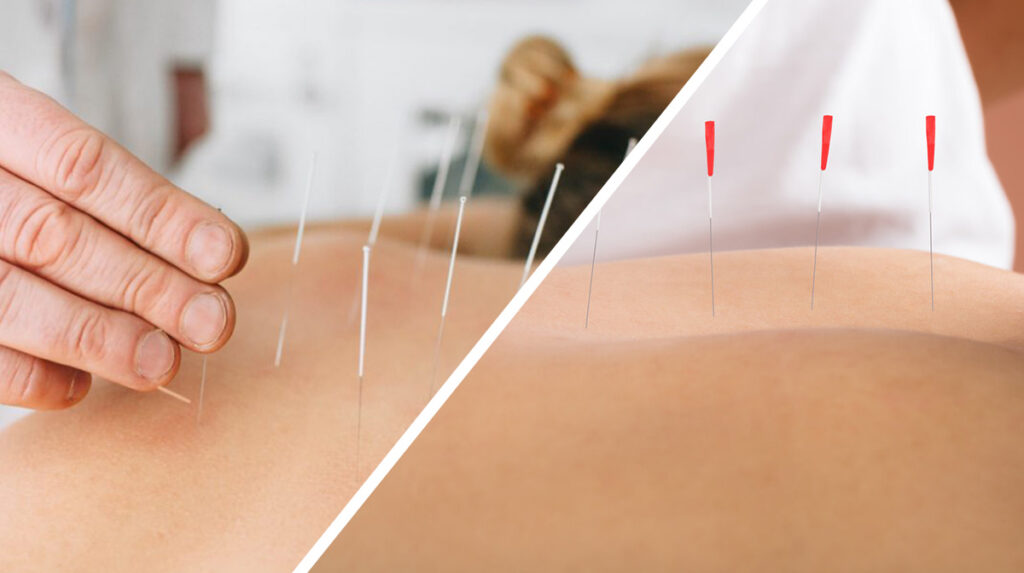
One of the key differences between acupuncture and dry needling is the size and type of needles used. Acupuncture needles are typically very fine and flexible, designed to gently stimulate specific points with minimal discomfort. Dry needling also uses thin needles, but they can vary slightly in length and stiffness depending on the depth of the muscle being targeted. In general, dry needling may require longer needles to reach deeper trigger points within muscle tissue, while acupuncture needles are often used more superficially or at precise energy points. Despite these differences, both techniques use very small, solid needles that are much thinner than those used for injections.
Technique
In acupuncture, fine needles are gently placed at specific points on the body and typically left in position for a short period of time, with the standard treatment lasting around 30 minutes. In dry needling therapy, our physiotherapists insert needles directly into tight or shortened muscles, or into areas near the spine where irritated nerves may be contributing to pain. Depending on the individual’s needs, the needles may be removed immediately or left in place briefly to achieve the desired effect.
Sensation
Acupuncture is typically very gentle and performed in a calm, relaxing environment, and most clients experience little to no discomfort during treatment. Dry needling therapy, however, may produce a brief cramping or tightening sensation as the muscle releases tension. The experience varies from person to person, with some noticing only mild sensations while others feel more noticeable muscle responses, such as short muscle twitches or a quick cramping sensation, especially in tighter areas like the neck or shoulders, followed by a sense of relief once the tension releases.
Purpose of treatment
Acupuncture is used to stimulate blood flow, help reduce inflammation, and support the body’s overall energy balance. Dry needling therapy, on the other hand, targets tight or shortened muscles caused by nerve irritation or muscular dysfunction, aiming to release tension, decrease pain, and improve overall mobility and function.
In summary, while acupuncture and dry needling may appear similar at first glance, they are grounded in very different principles and are used to achieve different therapeutic outcomes. Both treatments can play a valuable role in managing pain, improving mobility, and supporting overall well-being, but the right choice depends on your specific condition, goals, and comfort level.
At KinaHealth, our physiotherapists take a patient-centred approach to care, carefully assessing your symptoms and treatment needs before recommending the most appropriate option for you. Whether your goal is to reduce muscle tension, recover from an injury, or simply move more comfortably in your daily life, we are here to guide you through every step of your recovery.
If you’re unsure which treatment is right for you, reaching out for a professional assessment is the best place to start.